The cottage industrySmall-scale production of goods made by hand inside people’s homes or on their own farms before industrialization. vs. factory systemA method of production using machines inside large, centralized buildings to make goods on a mass scale. was a central component of the Industrial Revolution. The Industrial Revolution, which began in the late 18th century, marked a major turning point in history, transforming economies powered by manual labor into ones driven by machinery. It originated in Great Britain and spread across the world, fundamentally altering the social, economic, and cultural fabric of societies. This era saw the rise of factories, significant advancements in transportation such as the steam engine, and the mass production of goods, which greatly increased the availability of consumer products. As such, a central component of the Industrial Revolution was the transformation from the cottage industry to the factory system. This article details the history and significance of both the cottage industry and the factory system and explains the differences between both.
 FactsthatCrunch
The factory system replaced home-based workshops with large central buildings where machines, power, and workers came together to produce goods faster and in greater quantities.
What Is the Cottage Industry in the Industrial Revolution?
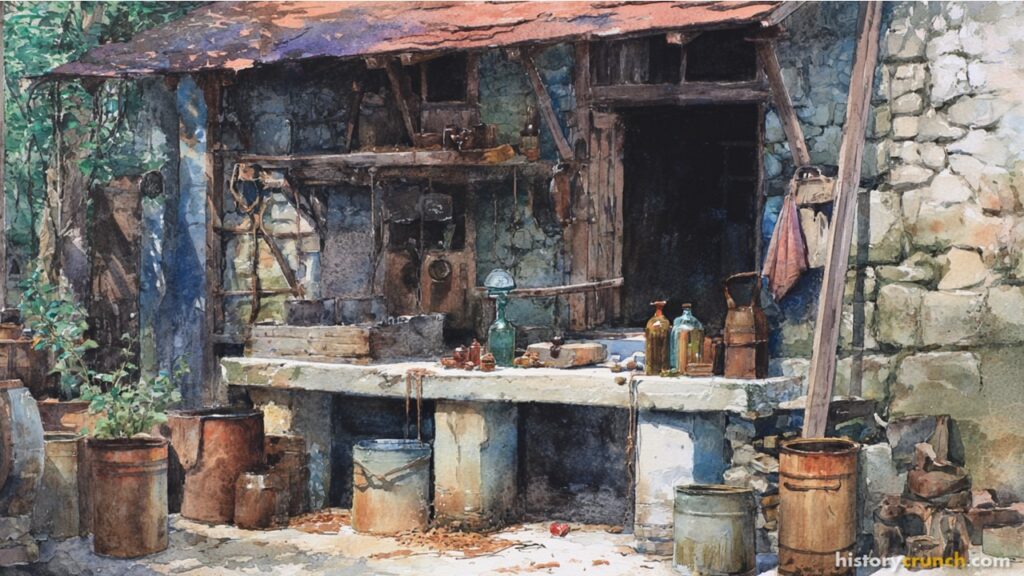
One of the central impacts of the Industrial Revolution was the transformation of society from rural communities based upon agriculture to industrial urban communities based on the factory system. Before the start of the Industrial Revolution, which began in the 1700s, the production of goods was done on a very small scale. Historians refer to this method of production as the ‘cottage industry’. Simply put, the cottage industry refers to a period of time in which goods for sale were produced on a very small scale, usually in a home. In this system, people produced goods, such as wool, in their homes or on their own farms and then sold them to local communities since long distance transportation was uncommon. This method of production was slow and inefficient and struggled to keep pace with the growing demand caused by the increased population. As a result, entrepreneurs and inventors sought ways to increase production, which ultimately led to the creation of the factory system.
What Is the Factory System in the Industrial Revolution?
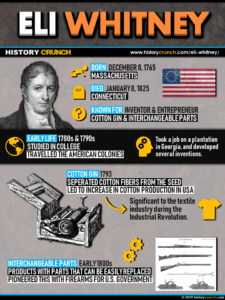
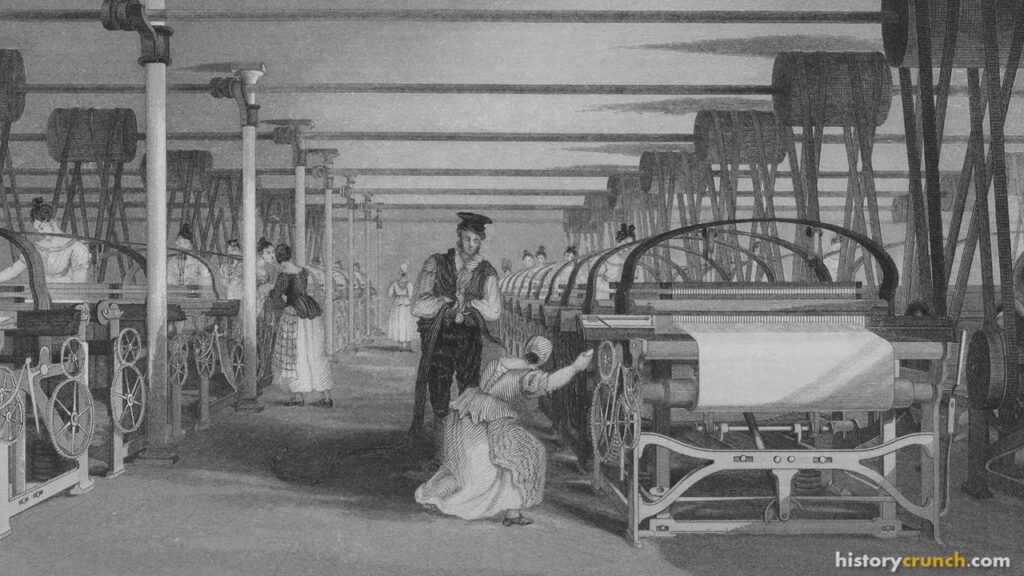
The factory system is a term that historians use to refer to the development of centralized factories or mills that produced goods on a mass scale. Throughout the 1700s, inventors such as Richard Arkwright, Eli Whitney, James Hargreaves, and Edmund Cartwright, developed machines and techniques that helped improve production, especially in terms of the textile industry. The textile industry was based on the development of cloth and clothing, and was the main industry that benefitted from the early developments of the Industrial Revolution. For example, James Hargreaves created the spinning jenny in 1764, which was a machine that allowed many spindles of thread to be spun at one time. Richard Arkwright added to this by developing the water frame in 1769. The water frameA large spinning machine patented in 1769 that used the force of flowing water to spin strong cotton thread on many spindles at once. allowed over one hundred spindles of thread to be spun at one time but was so large and needed so much energy that he built it next to rivers and creeks in order to use the force of the water to spin the machine. For his part, Edmund Cartwright developed the power loom in 1785 which allowed quicker production of cloth. Finally, American inventor, Eli Whitney developed the cotton gin in 1793, which allowed for quicker production of cotton. Previously, cotton had to be cleaned by hand to separate the seeds from the fibers. Whitney’s cotton gin sped up this process and allowed for much faster processing of the resource. In all, these inventions mechanizedPowered or operated by machines rather than by human hands. the textile industry and led to the establishment of factories throughout Britain, which was the first country to industrialize.
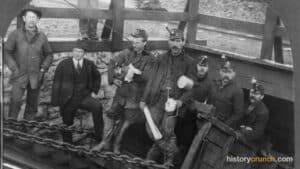
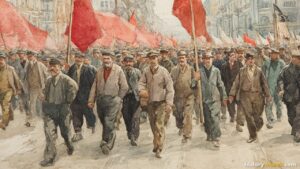
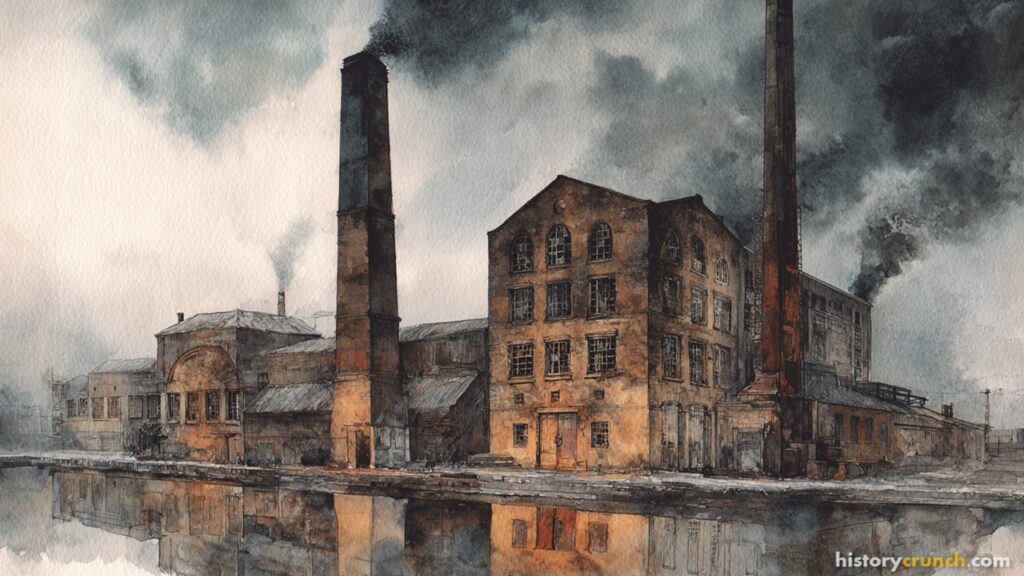
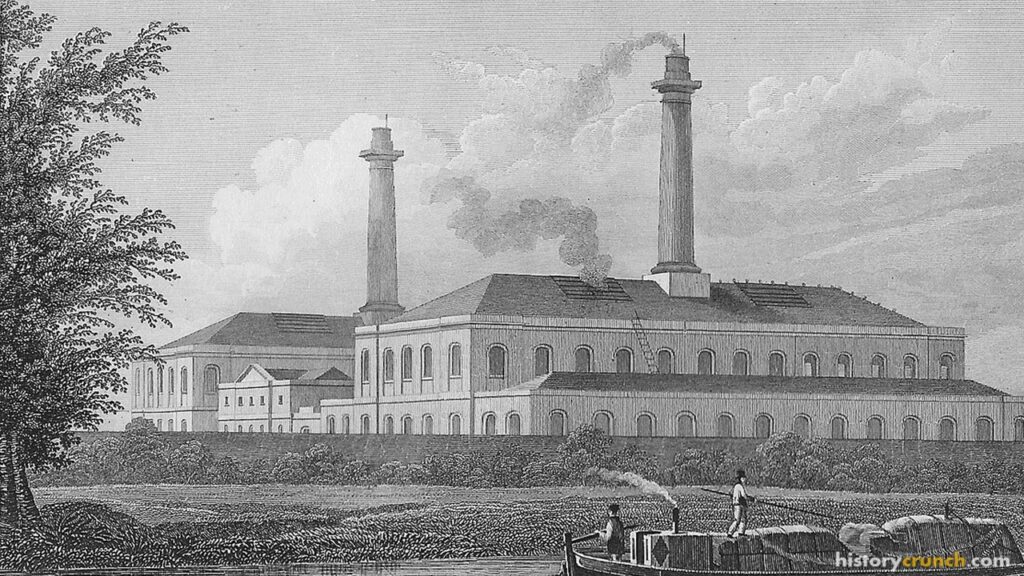
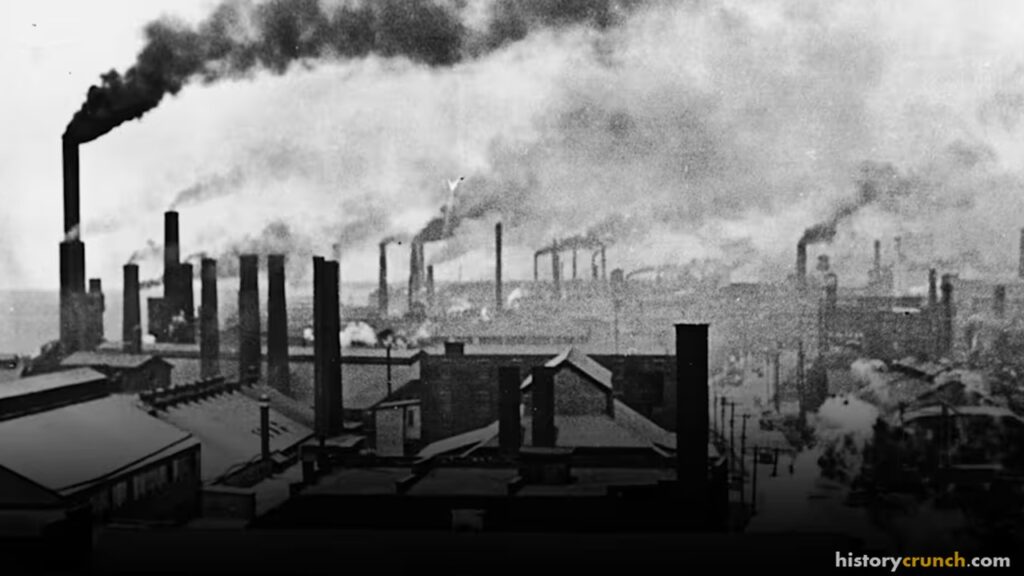
The development of the factory system involved the creation of large factories in city-centers. This was done because factory owners needed a large population of people to employ in the factories. Cities, at this time, were growing quickly due to the effects of the Enclosure Movement, which saw small farmers and their families forced off of the land. Cities were also beneficial to the factory system because they were usually built on rivers or canals which gave the factory owner access to water power if needed and for means of transportation. In the 1700s, most shipping and transportation was done by waterway and cities allowed factories easy access to a means of transporting finished products and for obtaining the raw materials needed in production. The development and success of these early factories caused more people to leave the countryside and move to the cities in search of work. As a result, cities exploded in population at this time.
 FactsthatCrunch
Why is Richard Arkwright's Cromford Mill (1771) often called the first modern factory?
Arkwright's Cromford Mill in Derbyshire, England, brought workers, water-powered machines, and coordinated production together under one roof in a way that small home workshops never had. It ran on a fixed schedule, divided tasks among many workers, and used the water frame to spin cotton faster and more consistently than hand labor could. These features (centralized power, machinery, division of labor, and strict supervision) became the model that factory owners across Britain and eventually the wider world copied.
Cottage Industry vs. Factory System – Summary
In conclusion, the cottage industry is the term that historians use to identify production that was completed before the start of the Industrial Revolution. It involved people producing goods on a very small scale in their homes and was not centralized in one location. In contrast, the factory system developed as part of the Industrial Revolution and generally replaced the cottage industry. The factory system involved the creation of mechanized forms of production which were usually placed in a centralized location such as cities. This led to the mass production of goods and the dramatic increase in the population of cities as people moved there in search of work.
 FactsthatCrunch
The Enclosure Movement, a set of laws passed by the British Parliament, forced small farmers and their families off common farmland they had relied on for generations.
From the 1700s onward, Parliament passed Enclosure Acts that consolidated common land into private holdings. Farmers who lost access to that land had little choice but to seek wage work in the growing industrial cities.
Key Vocabulary
Cottage industry
Factory system
Mechanized
Spinning jenny
Water frame
Power loom
Enclosure Movement
Frequently Asked Questions
What is the difference between the cottage industry and the factory system?
The cottage industry made goods by hand in homes, while the factory system used machines in large central buildings. The cottage system was small and local, so it could not keep up with rising demand. The factory system replaced it because machines produced far more goods much faster.
Why did the factory system replace the cottage industry?
The factory system replaced the cottage industry because it produced goods faster and in far greater amounts. A growing population created more demand than home production could meet. New machines and central factories let owners hire many workers and mass produce products, especially textiles.
What inventions helped create the factory system?
Key inventions included the spinning jenny, the water frame, the power loom, and the cotton gin. James Hargreaves built the spinning jenny in 1764, and Richard Arkwright made the water frame in 1769. Edmund Cartwright created the power loom in 1785, and Eli Whitney invented the cotton gin in 1793.
Why were factories built in cities?
Factories were built in cities because owners needed large numbers of workers close by. Cities grew quickly as the Enclosure Movement forced small farmers off their land. Cities also sat on rivers and canals, which gave factories water power and easy transportation for goods.
How did the factory system change where people lived?
The factory system caused a huge shift from the countryside to the cities. As factories opened, people left rural farms to look for work in the new mills. This movement made city populations explode and turned farming societies into industrial ones.
Cite This Article
To cite this article as a source, use one of the formats below.
MLA: Beck, Elias. “Cottage Industry vs. Factory System: A Detailed Comparison.” HistoryCrunch, 27 September 2026, https://historycrunch.com/cottage-industry-vs-factory-system/.
APA: Beck, E. (2026). Cottage Industry vs. Factory System: A Detailed Comparison. HistoryCrunch. https://historycrunch.com/cottage-industry-vs-factory-system/
Chicago: Beck, Elias. “Cottage Industry vs. Factory System: A Detailed Comparison.” HistoryCrunch. September 27, 2026. https://historycrunch.com/cottage-industry-vs-factory-system/
Sources
- Robert C. Allen, The Industrial Revolution: A Very Short Introduction.
- The Science Museum Group