The Age of Imperialism and the Scramble for Africa had a major impact on the continent of Africa and left a considerable legacy that still affects the continent today. More specifically, European imperialism in Africa unfolded as a series of major events that resulted in the major European powers taking control over large sections of Africa. Each of these major events had an impact on Africa in both the past and still today. As well, historians have identified both the positive and negative impacts of European imperialismWhen a powerful country takes control of weaker countries or regions to expand its power and wealth. in Africa.
 FactsthatCrunch
Tap each impact to read what it led to.
European Imperialism in Africa Overview
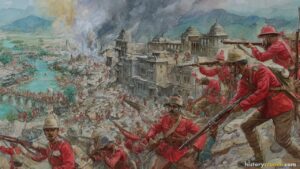
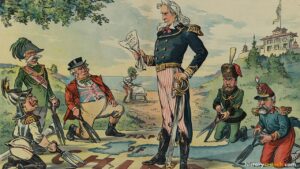
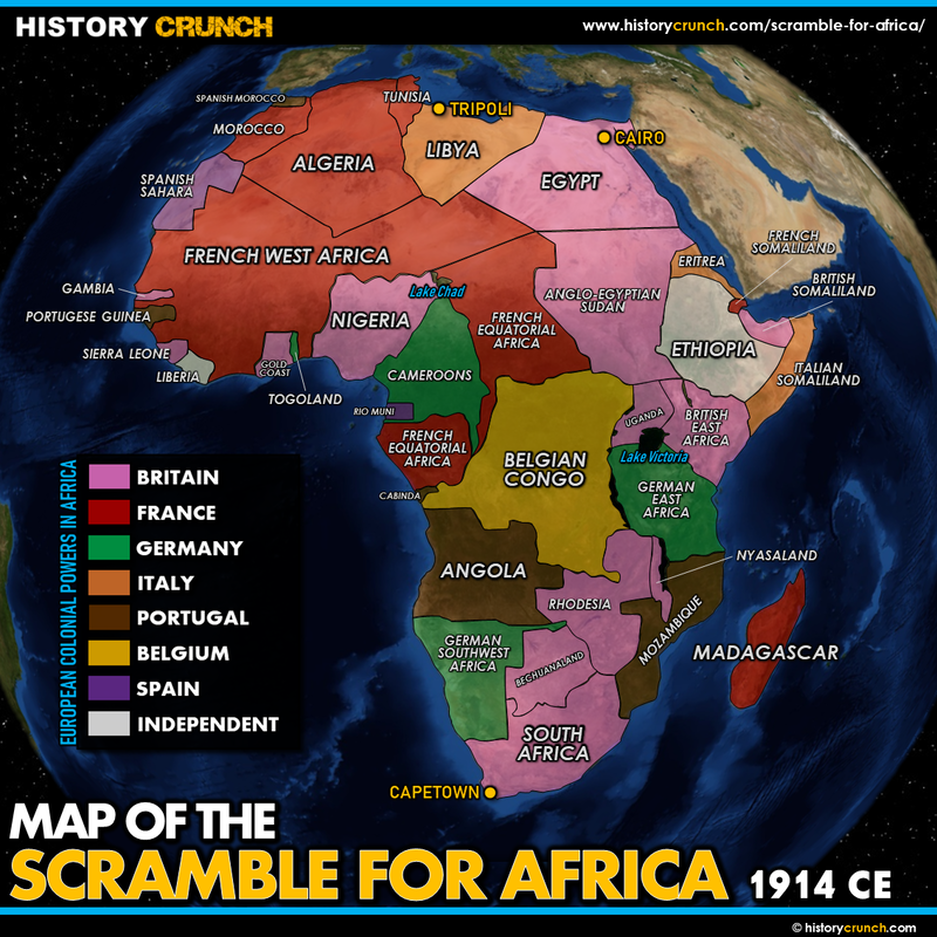
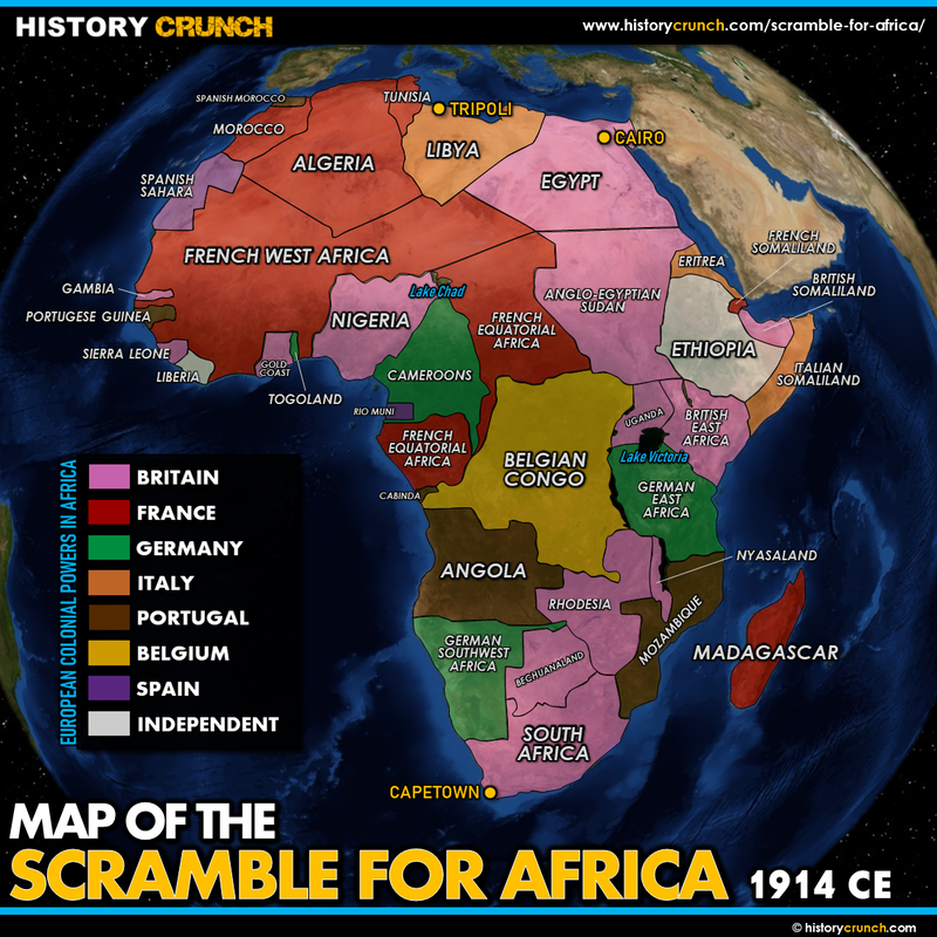
The Scramble for Africa was a major historical event that saw the major European powers of the 19th century carry out competing campaigns to colonizeTo take control of a territory and settle it, making it part of a foreign empire. Africa as quickly as possible. More specifically, the ‘Scramble for Africa’ is the term that historians use to refer to the expansion of European empires into Africa. It is referred to as a ‘scramble’ due to the way in which the European nations raced to capture territory to expand their empires.
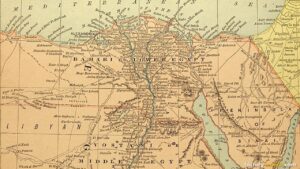
The Scramble for Africa is considered to have occurred from approximately 1870 until the outbreak of World War I in 1914. During these years, almost all of Africa came under the control of the major European powers, including: Britain, France, Germany, Belgium, Italy, Portugal and Spain. The Scramble for Africa unfolded as a series of major events that eventually saw the African continent colonized and then divided by the major European powers. This division and colonization of Africa created a series of major impacts that were both positive and negative in nature.
Positive Impacts of European Imperialism in Africa
*Editor’s note: The period of European imperialism in Africa was devastating for the African people and led to many hardships. These ‘positives’ are not meant to dismiss the terrible atrocities committed against the African people.
As stated above, historians have identified both positive and negative impacts from the period of European imperialism in Africa. In fact, there were several main positive outcomes from the period. First, the main European powers (Britain, France, Spain, Portugal, Germany, Belgium, etc.) that imperialized Africa established colonies to benefit their own economies in Europe. As such, European imperialism in Africa was beneficial for the European nations in that it helped grow their national economies. This was done by extracting important natural resources out of Africa and using them to benefit European companies and governments. With that said, the European extraction of these resources obviously had devastating impacts on African societies. These negative impacts are discussed in the section below. For instance, Leopold II of Belgium famously exploited the people of the Congo in order to gather and sell as much rubber from the region as possible. This made Leopold II an incredibly wealthy person and benefited Belgium, but had terrible impacts for the people of the Congo.
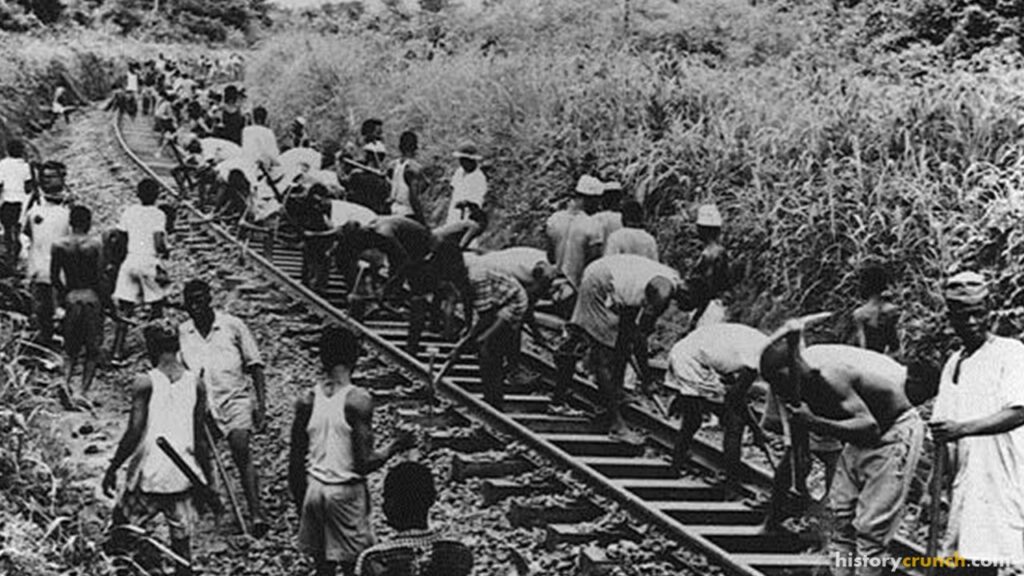
Another positive impact of European imperialism in Africa was the construction of major infrastructureLarge-scale physical systems like roads, railroads, bridges, and harbors built to support a society. projects. For instance, in order to extract the resources out of Africa, the European nations built vast transportation networks throughout Africa that included railroads, bridges, roads, and harbors. While this transportation system was used to exploit the African people it also benefited Africa economically because it created a network of routes that were useful to the continent well into the 20th century. As well, many of the European powers developed their colonies by building sanitation systems and improving medical and education systems. The medical and educational advances led to the construction of hospitals and schools across the different regions of Africa, which benefitted the people. Next, some historians have pointed out that European colonial governments also helped to introduce new crops and farming methods to parts of Africa. This helped lead to a higher production of food for the continent and gave some Africans new skills that were beneficial. As such, it could be argued that European imperialism in Africa in the 19th century led to major developments that helped improve life for some African people. Again, it should be noted that these positives came along with plenty of negatives that also brutalized the African people.
 FactsthatCrunch
Negative Impacts of European Imperialism in Africa
While there were some positive aspects of European imperialism in Africa, it is impossible to discount the negative impacts that occurred to Africa and the African people. In fact, Africa is, arguably, still suffering today from the impacts of European imperialism in the 19th century. These impacts have affected the economic, social and political life for Africans.
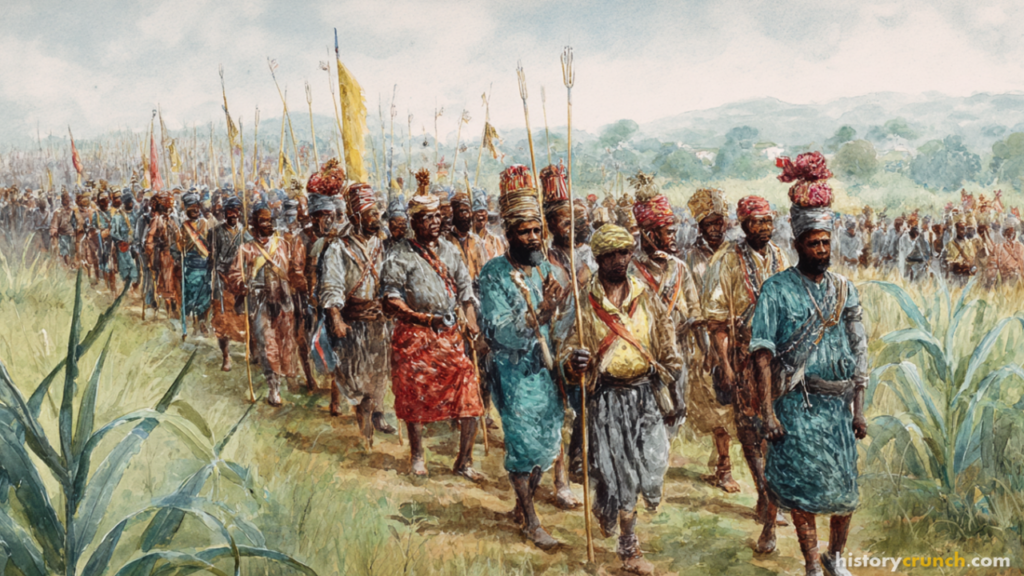
One of the main negative impacts of European imperialism in Africa was the destruction of African traditions, culture and languages in favor of European traditions, culture and languages. For instance, the European people of the 19th century were ethnocentric and did not value the customs or traditions of the other groups of people that they encountered during the Age of Imperialism. For example, European colonists and settlers expressed a view of racial superiority over other groups. As such, European beliefs about their own supposed racial superiority helped inform their interactions with the people they encountered, including native Africans. The term that best relates to this concept is ‘ethnocentrism’, which is the concept of judging other cultures based upon the views of your own. Further to this idea is the concept of ‘eurocentrismA specifically European form of ethnocentrism expressing superiority over other peoples during the age of imperialism.’. Eurocentrism is similar to ethnocentrismJudging other cultures based on the standards and values of your own culture. but focuses specifically on Europeans and the views of superiority expressed in relation to the timeframe of imperialism. These Eurocentric beliefs were justified by European governments due to a concept called Social DarwinismThe idea that some ethnic groups or races are naturally superior and more fit to rule over others.. In short, Social Darwinism is the idea that some ethnic groups or races are superior to others and therefore more ‘fit’ to rule over those that are less ‘fit’.
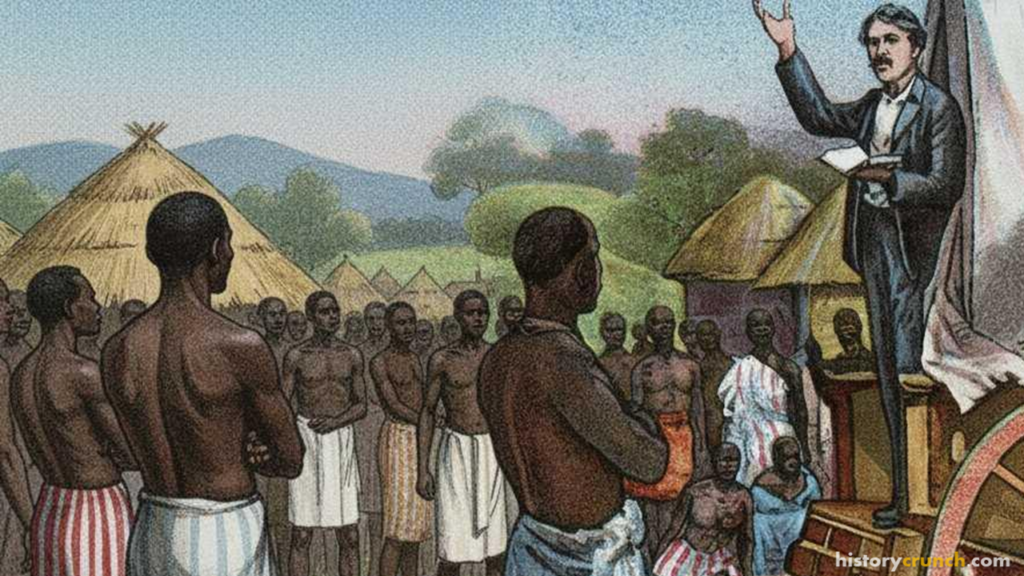
Together, these ethnocentric views by the major European powers of the time meant that European settlers in Africa generally suppressed native African traditions, customs and languages. For instance, while the European nations sometimes established schools and hospitals in their African colonies, these schools emphasized European culture over African culture. As such, this put immense pressure on African societies as they struggled to conform to European standards. An example of this can be seen in the spread of Christianity during the Age of Imperialism. European Christian missionariesReligious workers sent to foreign lands to convert local people to their faith, here Christianity. were a common feature of the Scramble for Africa in the late 19th century. For instance, famous British missionary David Livingstone carried out early missions to Africa in the hopes of converting African leaders. The spread of Christianity in Africa undermined African religions at the time, and caused many African people to begin to look to the European colonial governments as the authority instead of their own traditional leaders.
As stated above, African societies also faced economic impacts from European imperialism in the 19th century. For instance, the main European powers were primarily focused on finding and extracting resources from Africa, such as: gold, diamonds, cotton and rubber. This focus on taking valuable resources out of Africa benefited the European home countries greatly, but stalled or harmed the economies of the African societies. As such, this robbed the African people of developing the resources for themselves.
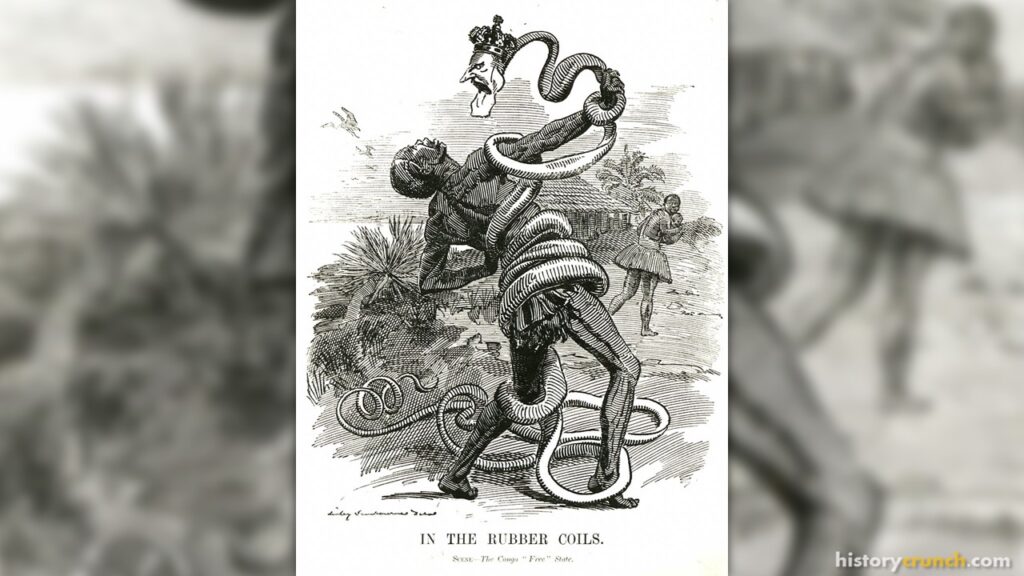
Finally, European imperialism in Africa negatively affected the African societies in terrible and devastating ways. For instance, Leopold II of Belgium famously brutalized the people of the Congo throughout his command over the Congo Free State. Leopold II served as the King of Belgium from 1865 until 1909 and oversaw the Belgian role in the Age of Imperialism and the Scramble for Africa. One of the most significant events of this period was that of King Leopold II of Belgium and his role in the Congo, which was a region in Central Africa. In fact, Leopold II ruled over the Congo as his personal empire and was responsible for the death of millions of Congolese people. Furthermore, his brutal treatment of the local people came to symbolize the worst aspects of European imperialism in Africa.

Key Vocabulary
Imperialism
Ethnocentrism
Eurocentrism
Social Darwinism
Missionaries
Colonize
Infrastructure
Frequently Asked Questions
What was the Scramble for Africa?
The Scramble for Africa was the rapid race by European powers to seize and colonize African territory. It lasted from about 1870 until World War I began in 1914. During these years nearly all of Africa fell under the control of nations like Britain, France, Germany, and Belgium.
What were the negative impacts of European imperialism in Africa?
European imperialism destroyed African traditions, languages, and religions while draining the continent of its resources. Colonizers viewed their own culture as superior and forced European ways onto African people. The theft of gold, diamonds, and rubber harmed local economies and robbed Africans of their own wealth.
What were the positive impacts of European imperialism in Africa?
Some historians point to new infrastructure, such as railroads, roads, bridges, and harbors, as benefits that lasted into the 20th century. Europeans also built hospitals and schools and introduced new crops and farming methods. These gains came alongside terrible abuses and were not meant to outweigh the suffering of African people.
What did King Leopold II do in the Congo?
Leopold II of Belgium ruled the Congo Free State as his personal empire and brutalized its people. He forced Congolese workers to gather rubber, which made him very wealthy and benefited Belgium. His cruel rule caused the deaths of millions and came to represent the worst of European imperialism.
How did Christianity affect Africa during this period?
Christian missionaries spread through Africa and worked to convert local people and leaders. This undermined traditional African religions and weakened the power of native rulers. Many Africans began to see the European colonial governments as the authority instead of their own leaders.
What was the Berlin Conference?
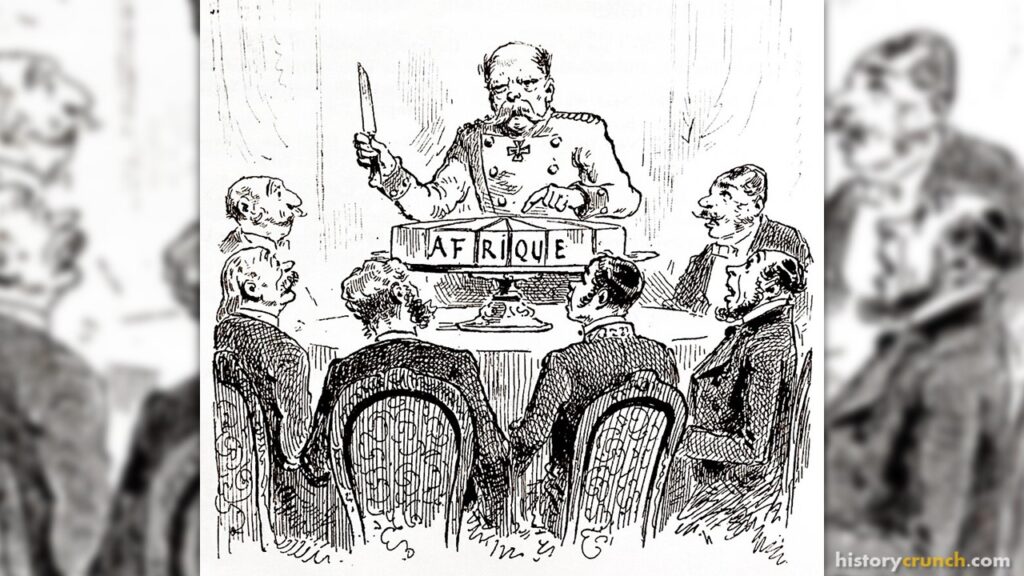
The Berlin Conference of 1884 to 1885 was a meeting where European powers set rules for dividing Africa. It helped the major nations claim territory without going to war with each other. No African leaders were invited to decide the future of their own continent.
Cite This Article
To cite this article as a source, use one of the formats below.
MLA: Beck, Elias. “Impacts of European Imperialism in Africa: A Detailed Summary.” HistoryCrunch, 28 October 2026, https://historycrunch.com/impacts-of-european-imperialism-in-africa/.
APA: Beck, E. (2026). Impacts of European Imperialism in Africa: A Detailed Summary. HistoryCrunch. https://historycrunch.com/impacts-of-european-imperialism-in-africa/
Chicago: Beck, Elias. “Impacts of European Imperialism in Africa: A Detailed Summary.” HistoryCrunch. October 28, 2026. https://historycrunch.com/impacts-of-european-imperialism-in-africa/
Sources
- Eric Hobsbawm, The Age of Empire 1875-1914.
- Fordham Modern History Sourcebook
- Daniel R. Headrick, The Tools of Empire.