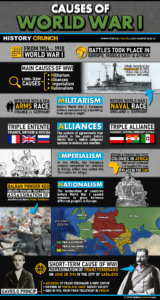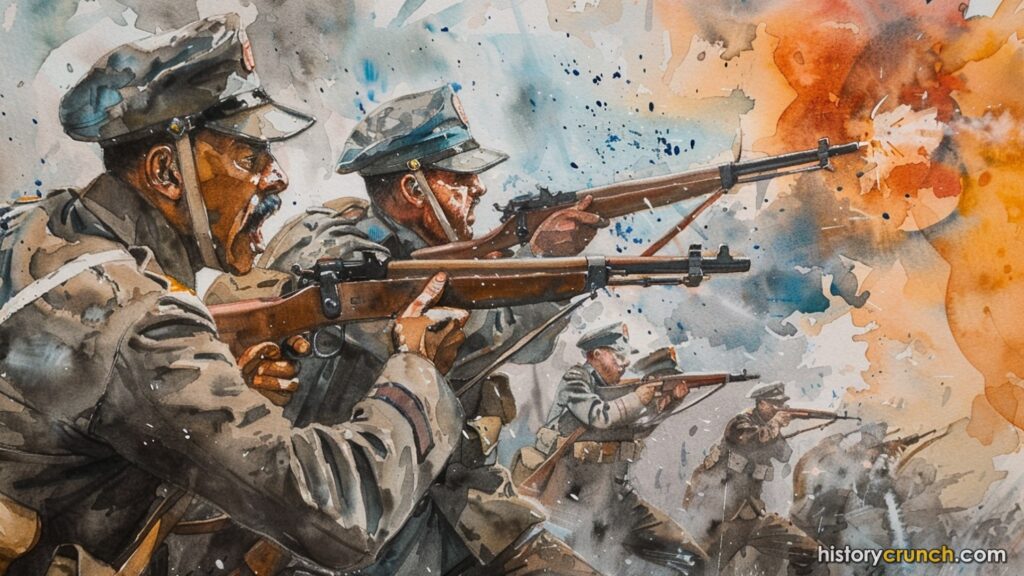
MilitarismThe buildup or expansion of a country’s military power through recruiting more soldiers or building more weapons and vehicles. was one of the main causes of World War I, which began in July of 1914, following the assassination of Austrian Archduke Franz Ferdinand. In fact, historians consider it to be one of four main long-term causes of the war, along with: alliance systems, imperialism and nationalism. Militarism was a particularly important cause of World War I due to several key factors. For instance, it caused nations to build up their armies and led to increased tensions between the European powers. This was especially prevalent in the arms raceA competition where two or more countries each try to build a larger and more capable army than the other. and naval race that occurred between the European nations before the start of World War I.
 FactsthatCrunch
Historians identify four long-term causes of World War I. Which group below names all four correctly?
What Is Militarism?
Militarism can best be understood as the buildup or expansion of the ability of a country’s military to wage war. This could be carried out by recruiting more soldiers for service or by building more weapons and vehicles for use in the army. In the decades before World War I many European countries began to practice militarism and worked to expand and strengthen their military forces. For example, there was an intense arms race and naval raceA competition between Britain and Germany to build more and better warships to dominate the seas. between several European nations in the buildup to World War I.
Specifically, France and Germany were heavily involved in an arms race in which each country doubled their armies between 1870 and 1914. As well, there was a competitive naval race between Britain and Germany that centered around the construction of new naval ships.
 FactsthatCrunch
Militarism is the belief that a country should build up strong armed forces and be ready to use them to protect or expand its interests. Governments that follow militarism spend heavily on soldiers, weapons and warships, and military leaders gain great influence over national decisions.
"Between 1870 and 1914, France and Germany each doubled the size of their armies, an example of the militarism that helped push Europe toward war."
Arms Race Before World War I
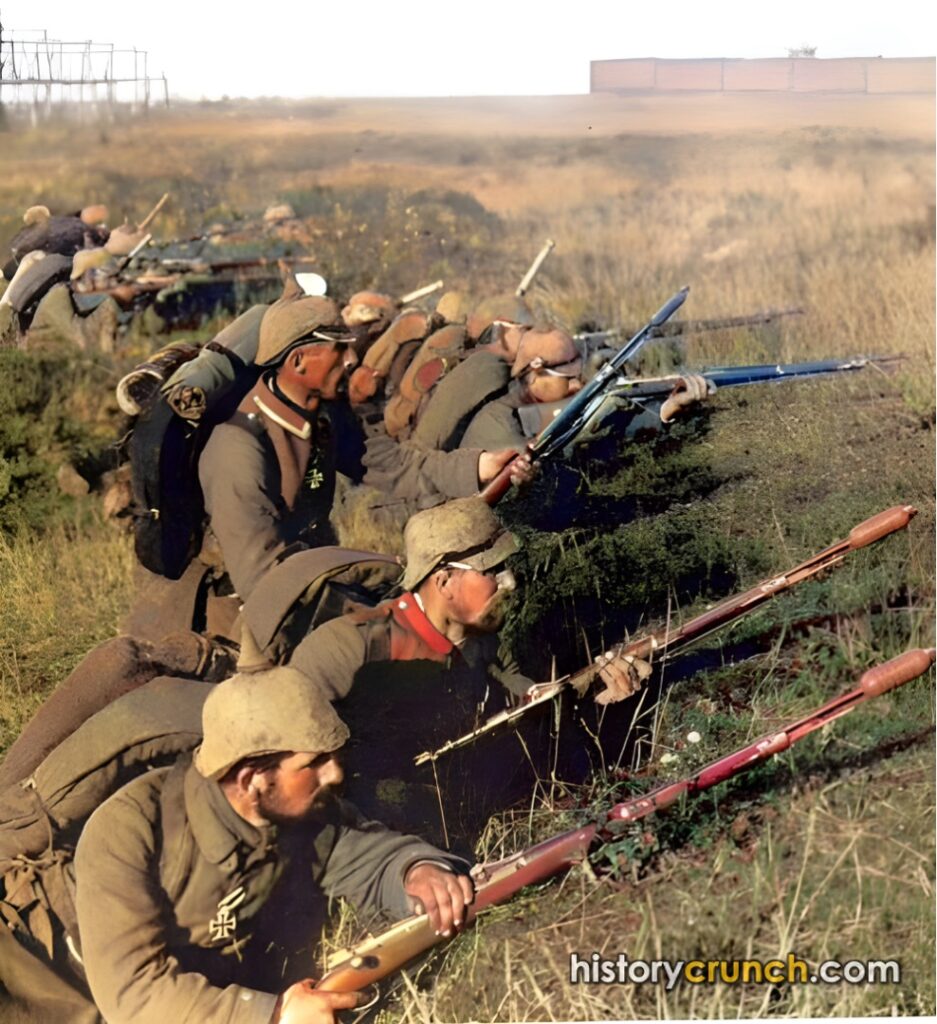
An arms race is when two or more countries compete to establish the larger and more capable armies. France and Germany were heavily involved in an arms race in which each country doubled their armies between 1870 and 1914. Both nations had a history of war against each other and their rivalry caused them to expand their military forces. For example, the Franco-Prussian War had occurred just decades earlier from 1870 until 1871. More specifically, Prussia (the largest Germanic Kingdom before the unification of Germany) defeated France in the Franco-Prussian War. As part of its defeat, France gave up a section of its land called Alsace-LorraineA region of land France gave to Germany after losing the Franco-Prussian War, causing lasting French resentment., which bordered with Germany. Germany’s control over Alsace-Lorraine was a major source of frustration for France and led to heightened tensions between Germany and France. In fact, France had a deep mistrust of Germany in the years before World War I.
This eventually led to Europe being carved up between two alliance systems – Triple Entente and the Triple Alliance. Britain, France and Russia were the member nations of the Triple EntenteThe alliance of Britain, France, and Russia formed before World War I., while Germany, Austria-Hungary and Italy were the member nations of the Triple AllianceThe alliance of Germany, Austria-Hungary, and Italy formed before World War I.. The alliance systems alongside, France and Germany’s tensions caused each country to begin to build up their armies.
At the outbreak of fighting in 1914, France had approximately 4 million soldiers while Germany had over 4.5 million. This was significant because most other European countries did not have nearly as many soldiers at the ready to fight. The arms race showed the distrust between the nations of Europe and when war did break out in 1914 it allowed the countries to go to war more easily.
 FactsthatCrunch
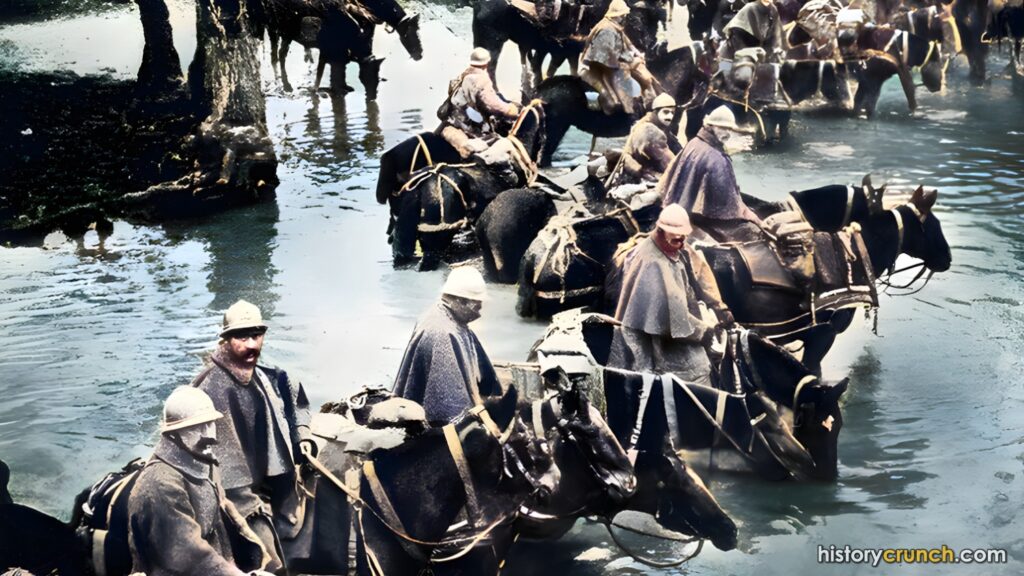
Prussia defeated France in the Franco-Prussian War of 1870 to 1871 and took control of the Alsace-Lorraine region along the shared border.
The loss of Alsace-Lorraine was a political wound that shaped French foreign policy for over forty years before World War I began. It made France far more willing to build alliances and expand its military as tensions with Germany grew.
Naval Race Before World War I
The naval race of World War I was an important competition between Britain and Germany for naval supremacy. Each nation raced to build more ships and capabilities, which led to an extreme increase in tensions between them. As such, historians consider the naval race between these two major European nations to be a main cause of World War I.
At the time, Britain had the largest navy in the world. Britain’s naval power was threatening to other European nations and caused many to build up their own naval forces. Germany viewed the British navy as a threat and sought to develop its own navy to match. Mostly Germany needed a strong navy to challenge British ships in the North Sea, which was located to the north of Germany and to the east of Britain. The North Sea was Germany’s main route to the open ocean but was difficult for Germany since the North Sea was connected to Britain and the British navy dominated the area.
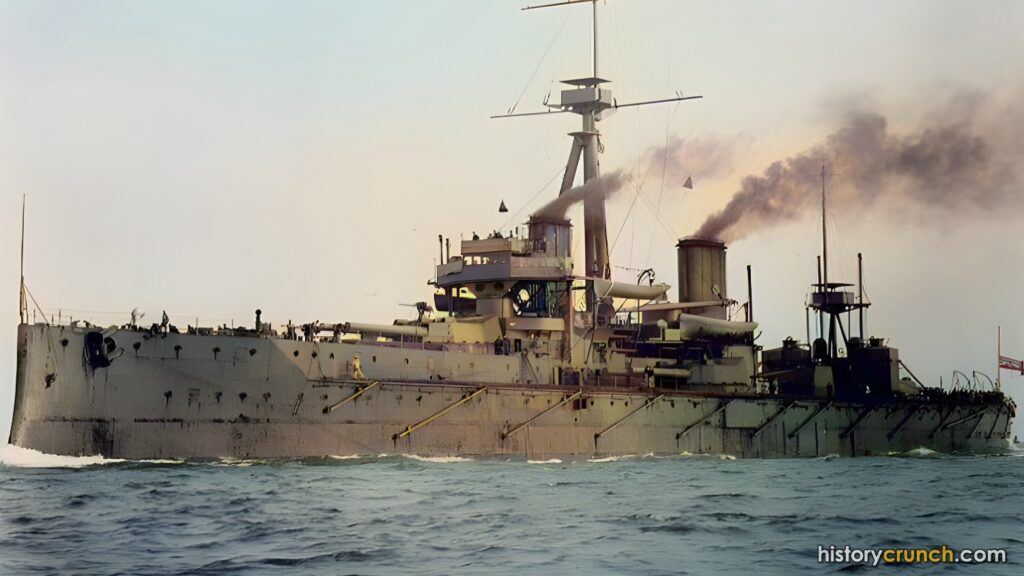
One of the key areas that this naval race between Britain and Germany can best be seen is in the construction of new battleships referred to as ‘dreadnoughts’.
The dreadnought was a class of battleship that existed in the timeframe of World War I. However, the first dreadnought was the HMS Dreadnought from the British Royal Navy. The name is meant to refer to a sense of ‘fearlessness’. It was first launched in 1906, and completely changed the history of naval warfare at the time.
How Did Militarism Cause World War I?
Militarism in Europe had a major impact on the start of World War I. Historians have identified several ways in which militarism led to the start of the war. First, militarism showed the rivalry that existed between the nations of Europe in the years before the outbreak of World War I. When the nations of Europe competed in the arms race and naval race it led to increased tensions. These tensions ultimately led to the start of World War I because it created an underlying feeling of distrust. Also, militarism created the large forces that easily allowed the European nations to go to war in 1914. If they had not built such large armies then the war may not have been so easy to begin and so devastating. For instance, following the assassination of the Austrian Archduke Franz Ferdinand, which was the event that sparked World War I, the nations of Europe were able to go to war more easily due to their large armies.
 FactsthatCrunch
Tap each impact to read what it led to.
Key Vocabulary
Militarism
Arms race
Naval race
Triple Entente
Triple Alliance
Dreadnoughts
Alsace-Lorraine
Frequently Asked Questions
What is militarism in simple terms?
Militarism is the buildup or growth of a country’s ability to fight a war. Nations do this by recruiting more soldiers or by building more weapons and vehicles. In the decades before World War I, many European countries practiced militarism. They worked hard to make their armed forces larger and stronger.
How did militarism cause World War I?
Militarism raised tensions in Europe and created huge armies that made war easier to start. The arms race and naval race showed the rivalry and distrust between the major powers. When Archduke Franz Ferdinand was assassinated in 1914, nations could go to war quickly. Their large forces also made the fighting far more deadly.
What was the arms race before World War I?
An arms race is when two or more countries compete to build the largest and strongest armies. France and Germany doubled the size of their armies between 1870 and 1914. Both nations had fought each other before and deeply distrusted one another. By 1914, France had about 4 million soldiers and Germany had over 4.5 million.
What was the naval race between Britain and Germany?
The naval race was a contest between Britain and Germany to control the seas. Britain had the largest navy in the world, and Germany wanted to match it. Germany especially wanted strength in the North Sea, its main route to the open ocean. This race raised tensions and is seen as a main cause of the war.
What was a dreadnought?
A dreadnought was a powerful class of battleship built during the time of World War I. The first one was the British HMS Dreadnought, launched in 1906. Its name suggests a feeling of fearlessness. It changed naval warfare and became a key part of the race between Britain and Germany.
What were the four main long-term causes of World War I?
Historians point to four main long-term causes of World War I. These were militarism, alliance systems, imperialism, and nationalism. Together they built up rivalry and distrust across Europe. The assassination of Archduke Franz Ferdinand in July of 1914 then sparked the fighting.
Cite This Article
To cite this article as a source, use one of the formats below.
MLA: Beck, Elias. “Militarism as a Cause of World War I: A Detailed Summary.” HistoryCrunch, 28 September 2026, https://historycrunch.com/militarism-as-a-cause-of-world-war-i/.
APA: Beck, E. (2026). Militarism as a Cause of World War I: A Detailed Summary. HistoryCrunch. https://historycrunch.com/militarism-as-a-cause-of-world-war-i/
Chicago: Beck, Elias. “Militarism as a Cause of World War I: A Detailed Summary.” HistoryCrunch. September 28, 2026. https://historycrunch.com/militarism-as-a-cause-of-world-war-i/
Sources
- Margaret MacMillan, The War That Ended Peace.
- Hew Strachan, The First World War.
- Imperial War Museum
- John Keegan, The First World War.