Europeans fought in the Crusades for a mix of religious, economic, and social reasons. Many were motivated by the promise of spiritual rewards, such as forgiveness of sinsActions considered wrong or immoral according to religious teachings. and guaranteed entry into heaven. Others joined for adventure, wealth, land, or to gain status and escape difficult conditions at home.
 FactsthatCrunch
Where does the word crusade come from?
What Were the Crusades?
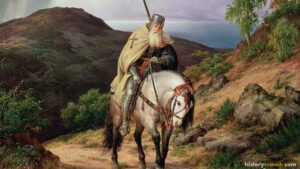
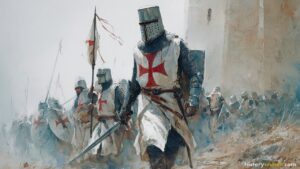
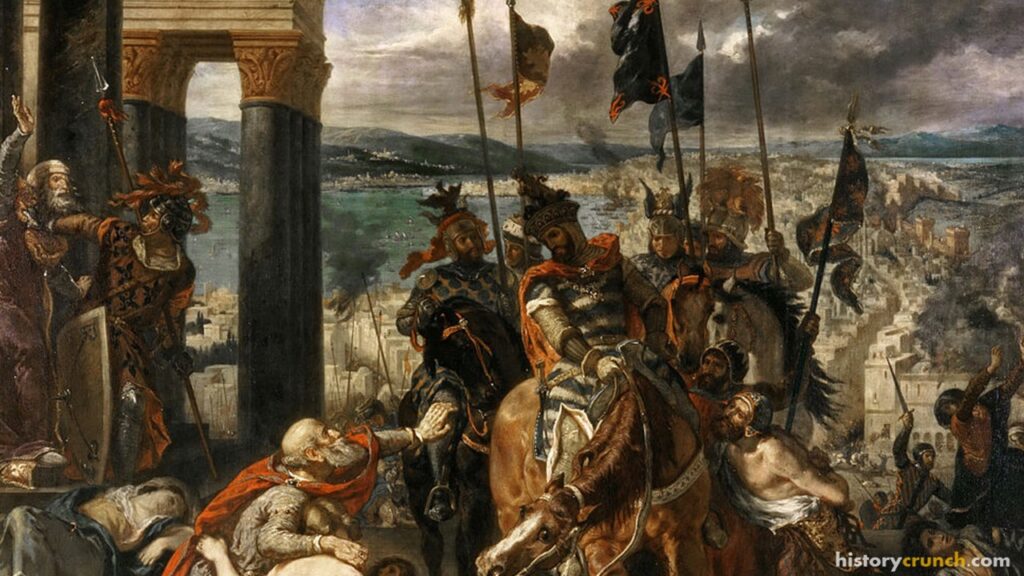
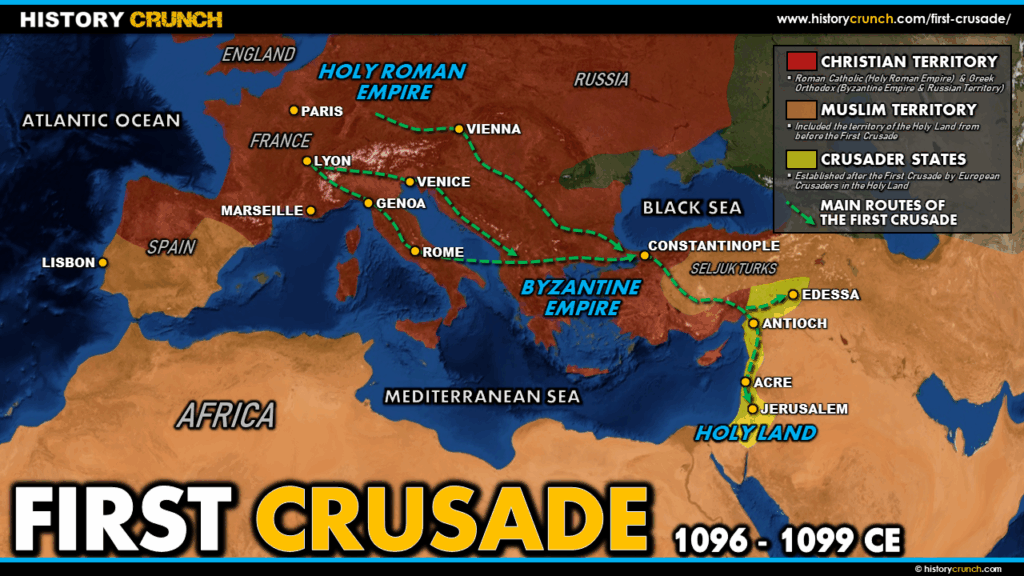
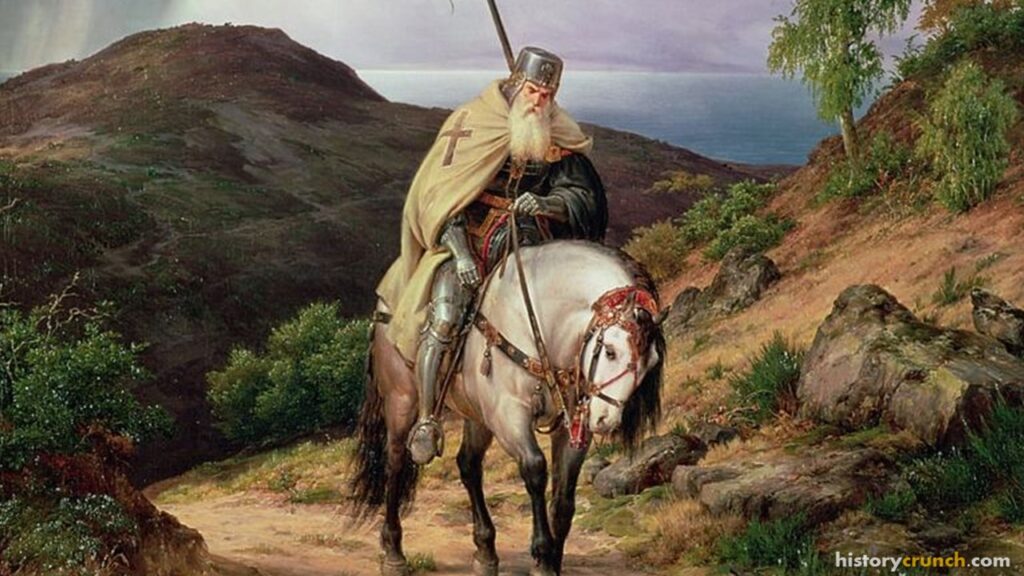
The Crusades are one of the most significant events in the history of Europe and the Middle East. They were a series of religious wars carried out by Christian crusaders from Europe during the timeframe of the Middle Ages. Beginning in 1095 CE, the crusades saw European knights and noblemen travel to the Middle East in an attempt to capture the Holy Land away from Muslim people who had controlled the region for the previous centuries. The term crusade means ‘cross’. Therefore, the Europeans that became crusaders viewed themselves as ‘taking up the cross’. In fact, many of the crusaders wore crosses on their clothing and armor as they made their pilgrimageA journey to a holy or sacred place for religious reasons. to the Holy Land. In total, there were nine main crusades.
Why Did Europeans Fight in the Crusades?
The European crusaders participated in the crusades for several key reasons. First and foremost was the religious faith of the participants. They were devoutDeeply religious and faithful to one’s beliefs and duties. Catholics and wanted to be faithful to the church. When Pope Urban II called on Europeans to free the Holy Land from Muslim control in 1095, thousands of European Christians took up the mission. At the time, it was not common for people to question the church or religious faith and as a result many joined the crusades in order to carry out their religious duty.
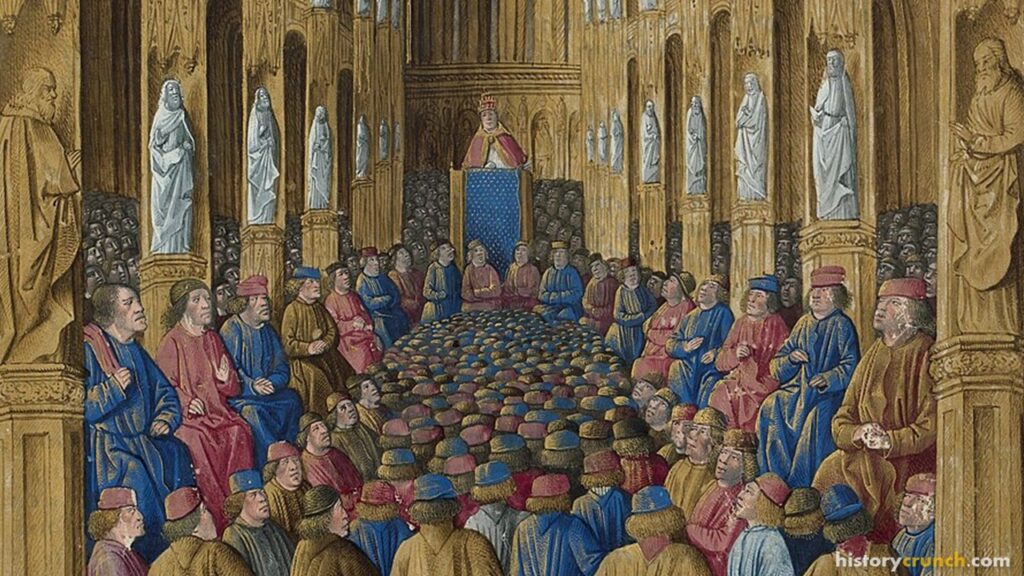
The second reason for European participation in the crusades was that they believed that by participating in the fight they could be forgiven for their previous sins. In fact, the Pope promised forgiveness for past sins and as a result many of the first crusaders believed that they would ascend to heaven soon after capturing Jerusalem.
Third, the crusades were a convenient distraction for many peasants from the harshness of daily life under feudalismA medieval system where peasants farmed land and paid taxes in exchange for protection from nobles.. Under feudalism, peasants worked or farmed tirelessly and their taxes were used to pay for most activities in society. The mission of the crusades offered the average peasant an escape from this reality and allowed them the ability to fight shoulder-to-shoulder with others towards a common goal.
Fourth, the crusades gave those participating an opportunity to go on an adventure to a faraway land. In the time of the Middle Ages, most people were born, lived and died in the same relative area. The crusades offered people the ability to travel to a distant land and interact with other people. Many Europeans enjoyed the adventure of the crusades.
Fifth, many of the nobilityThe class of wealthy, high-ranking people such as knights and lords in medieval society. and peasants from Europe participated in the crusades because they believed that they could obtain fortune for themselves in the wealthy Middle Eastern civilizations.
In conclusion, the crusades were a vitally important event to European and Middle Eastern history. They were centered on a clash between different religions and helped transform Europe and the Middle East during the years of the Middle Ages. As well, many historians consider the effects of the crusades as an important event in the emergence of the RenaissanceA period of cultural and intellectual rebirth in Europe that followed the Middle Ages. in Europe a few centuries later.
Explore Crusades · 1095 – 1291 CE
Keep exploring Crusades with these History Crunch resources.
Key Vocabulary
Pilgrimage
Devout
Feudalism
Sins
Nobility
Renaissance
Frequently Asked Questions
Who called the First Crusade and when?
Pope Urban II called for the First Crusade in 1095 CE. He urged European Christians to free the Holy Land from Muslim control. Thousands of knights, noblemen, and peasants answered his call. The campaign began a series of religious wars that lasted for centuries.
What spiritual rewards were crusaders promised?
Crusaders were promised forgiveness for their past sins if they joined the fight. The Pope offered this reward, and many believed it guaranteed entry into heaven. Most crusaders were devout Catholics who rarely questioned the church. For them, the journey was both a religious duty and a pilgrimage.
Why did peasants join the Crusades?
Many peasants joined to escape the hardships of daily life under feudalism. They farmed tirelessly, and their taxes paid for much of society. The Crusades offered an escape and a shared goal to fight toward. For some, it was also a rare chance to travel far from home.
Did people fight in the Crusades for money?
Yes, many nobles and peasants hoped to gain wealth in the rich civilizations of the Middle East. They saw a chance to win fortune, land, and higher social status. These economic reasons mixed with religious faith and the desire for adventure. Together, these motives drew many Europeans into the campaigns.
How many Crusades were there?
There were nine main Crusades during the Middle Ages. They stretched across several centuries, starting in 1095 CE. The term crusade means cross, so crusaders saw themselves as taking up the cross. Many wore crosses on their clothing and armor during the journey.
Why do the Crusades still matter today?
The Crusades were a major clash between religions that reshaped Europe and the Middle East. They changed trade, travel, and ideas across both regions. Many historians link their effects to the rise of the Renaissance centuries later. For this reason, they remain a key topic in world history.
Cite This Article
To cite this article as a source, use one of the formats below.
MLA: Beck, Elias. “Why Did Europeans Fight in the Crusades?: A Detailed Summary.” HistoryCrunch, 18 October 2026, https://historycrunch.com/why-did-europeans-fight-in-the-crusades/.
APA: Beck, E. (2026). Why Did Europeans Fight in the Crusades?: A Detailed Summary. HistoryCrunch. https://historycrunch.com/why-did-europeans-fight-in-the-crusades/
Chicago: Beck, Elias. “Why Did Europeans Fight in the Crusades?: A Detailed Summary.” HistoryCrunch. October 18, 2026. https://historycrunch.com/why-did-europeans-fight-in-the-crusades/
Sources
- Christopher Tyerman, God's War: A New History of the Crusades.
- The Met (Heilbrunn Timeline)