The Mughal Empire of India is one of the most significant topics and time periods that relates to the British imperialism of India. The Mughal Empire existed approximately from 1526 until 1857 and at its height included most of the territory in modern India, parts of Pakistan and parts of Bangladesh. This makes it one of the largest empires in the history of South Asia.
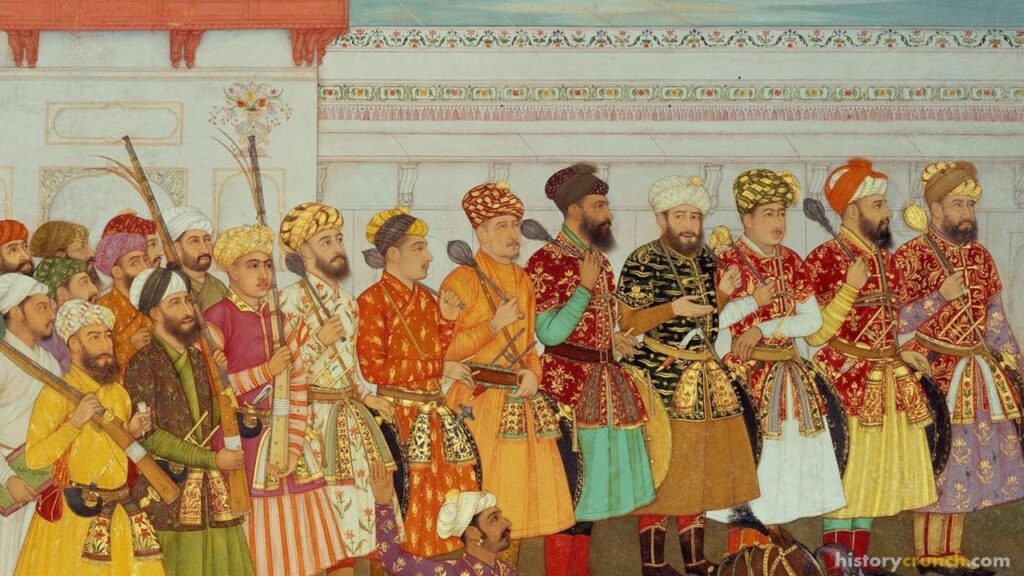

Origins of the Mughal Empire of India
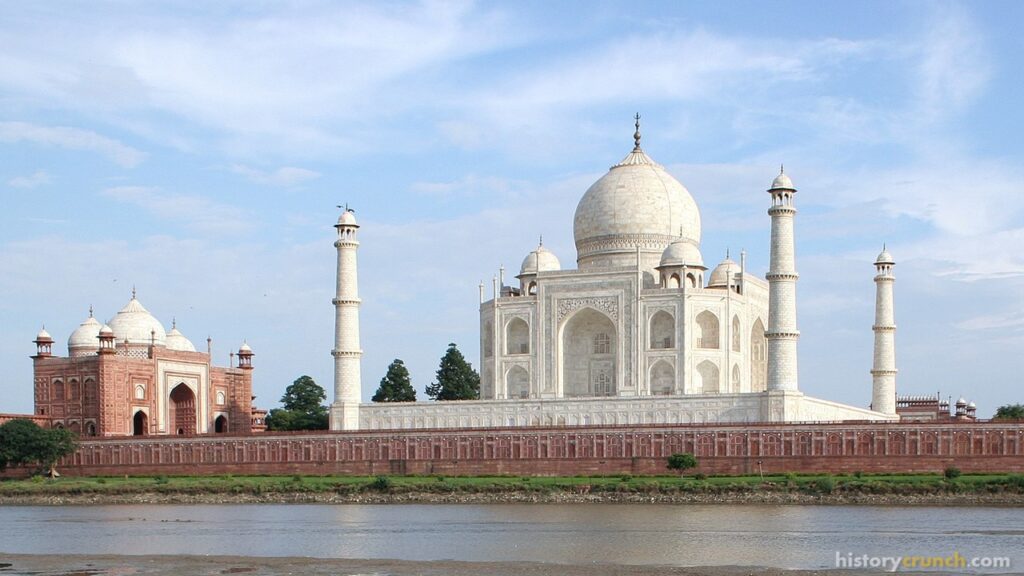
The Mughal Empire of India was supposedly created in 1526 by a warrior chief from Central Asia (modern Uzbekistan) named Babur. The Mughal Empire had a rocky beginning and battled often with competing kingdoms and empires as it spread south and towards the main area of modern India. For example, Akbar, who ruled over the Mughal Empire from 1556 until 1605, was responsible for expanding the empire and developing a central administrationA system of organized government control run from one central authority over a large territory.. During these years, the Mughal Empire developed a strong economy throughout central India and even began trading with European trading companies that had begun to arrive on the shores of India, such as the British East India Company. The Mughal Empire continued to grow in territory and cultural influence throughout the 1600s. For example, the famous Taj Mahal was built between 1632 and 1653. Its construction was the suggestion of Mughal emperor Shah Jahan. He ruled over the Mughal Empire from 1628 until 1658 and wanted the Taj Mahal built as a place to house the tomb of his wife, Mumtaz Mahal. The Taj Mahal was made from white marble and is located on the Yamuna River in Agra, India. Today it is a UNESCO World Heritage siteA place recognized by the United Nations as having outstanding importance to all of humanity and worth protecting. and one of the most important historic sites in all of India.
 FactsthatCrunch
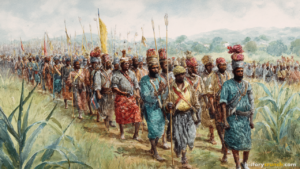
Babur, the founder of the Mughal Empire, came from Central Asia. In 1526 he defeated Ibrahim Lodi, the Sultan of Delhi, at the First Battle of Panipat, even though his army was much smaller.
Babur's soldiers used gunpowder weapons such as cannons and muskets, which were still new in northern India. The victory gave him Delhi and Agra and began a dynasty that ruled much of South Asia for more than 300 years.
Expansion of the Mughal Empire of India
Mughal emperors in the late 1600s continued the expansion of the empire throughout India. For example, during the reign of Aurangzeb (who was the Mughal Emperor from 1658 to 1707), India developed one of the strongest economies on the entire planet. Emperor Aurangzeb also expanded the territory of the Mughal Empire to include most of South Asia. For example, at its height in 1700, the Mughal Empire ruled over approximately 158 million people, which was 23% of the total human population at that time. However, he achieved these accomplishments by suppressingUsing force or authority to prevent a group of people from freely practicing their beliefs or way of life. some groups of people throughout the empire, which created a climate of conflict. This included a growing religious divide between the two main religious groups in India at the time – Hindus and Muslims. For instance, soon after the death of Aurangzeb the Mughal Empire fell into turmoilA state of great confusion, disorder, and instability, especially in government or society..
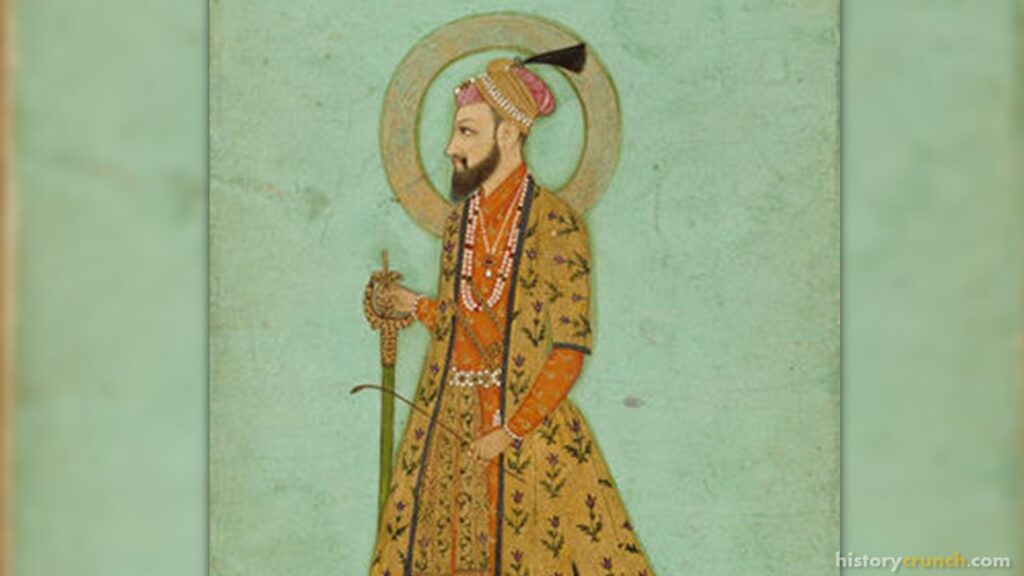
Decline of the Mughal Empire of India
When Mughal Emperor Aurangzeb died in 1707, he was succeeded by his son Bahadur Shah I. However, his reign over the Mughal Empire was short-lived, as he died in 1712. After his death, the chaos in the empire grew as power changed hands between several different emperors over the next few years. This lack of political leadership and authority helped to further weaken the Mughal Empire and lessen its grip over its vast territory in South Asia.
The decline of the Mughal Empire continued under the reign of Mughal Emperor Muhammad Shah who ruled from 1719 until 1748. During this time, the empire lost large sections of land to competing kingdoms such as the Maratha Empire. Despite this, the Mughal emperor remained the main ruler over most of India throughout much of the 1700s, but relied heavily on support from neighboring empires and armies. Furthermore, the Mughal Empire struggled due to a decline in economic activity and difficulty in paying the large expenses necessary to maintain the administration of the empire and its vast territory.
FactsthatCrunchWhen Aurangzeb died on March 3rd, 1707, no strong leader took firm control, and power passed quickly between several emperors over the following years.
The rapid turnover of Mughal emperors after 1707 left the empire politically weak and divided. This instability made it easier for European powers, especially Britain, to expand their influence across India in the late 1700s and early 1800s.
Mughal Empire of India and European Imperialism
Finally, European nations recognized their opportunity with the weakening of the Mughal Empire and began their own campaigns of imperialismWhen a powerful nation takes control of weaker territories to gain economic or political advantages. in India. This ended the control of Mughal Empire in India, as it saw power shift towards the British Empire. In the late 1700s and early 1800s, the British East India Company began to exert its influence over the Mughal Empire and its territory. For instance, the British East India Company took control of the former Mughal province of Bengal-Bihar in 1793. This was significant because, Britain (along with other European nations) had taken an increased interest in India for the economic advantages that it could provide. For example, India offered the British Empire a source of raw materialsNatural resources taken from the land and used as inputs for manufacturing products in factories. for the industrial factories present back in Britain. This is due, in part, to the emergence of the Industrial Revolution in England during the 1800s. As well, India also offered British companies a large base of consumers for newly developed British products. As such, by the mid-1800s, most of the Mughal Empire was under direct control of the British East India Company.
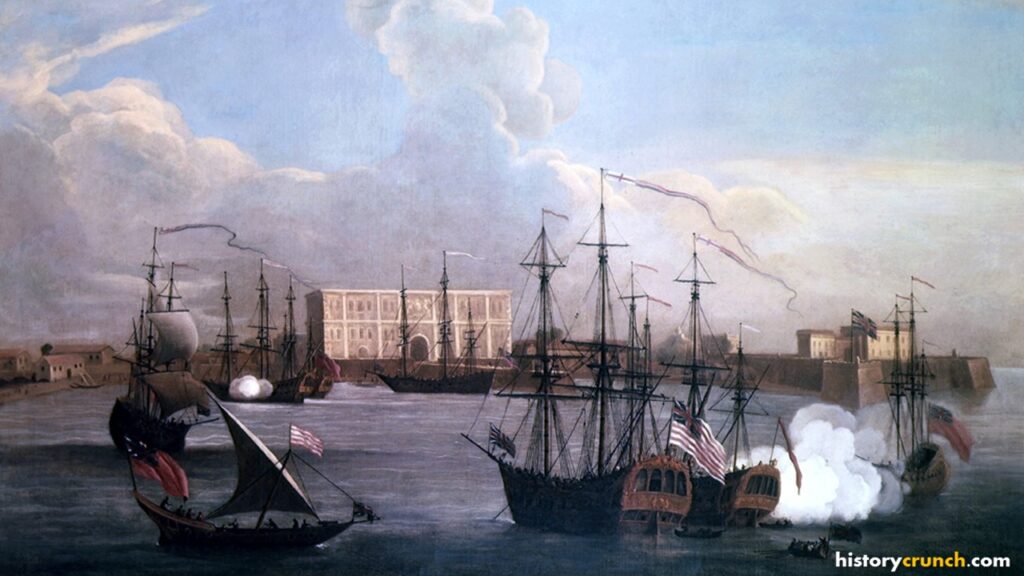 FactsthatCrunch
On the 23rd of June, 1757, British East India Company forces led by Robert Clive defeated Siraj ud-Daulah, the Nawab of Bengal, at Plassey in northeastern India. The victory was made possible partly because Mir Jafar, the Nawab's own commander, switched sides during the battle, leaving Bengal's army unable to fight effectively.
Bengal under an independent Nawab, with the Company holding limited trading posts
Company installed Mir Jafar as a dependent Nawab and took real control of Bengal's wealth and government
End of the Mughal Empire of India
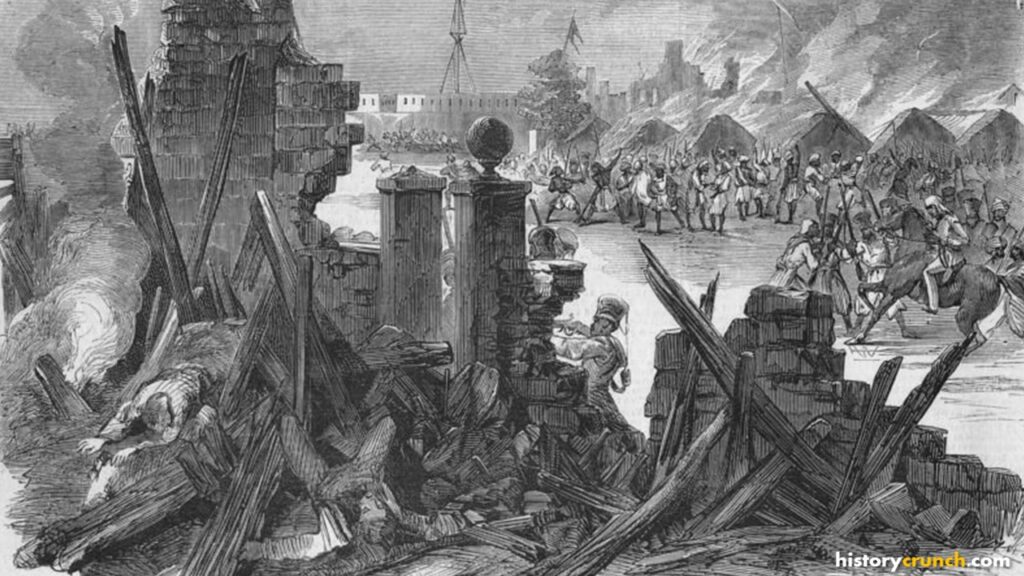
However, the British East India Company soon lost control of the territory in India to the British Monarchy following the events of the Sepoy Rebellion. For instance, the Government of India Act of 1858 gave the British Monarchy control over the British East India Company, including all of the lands in India. This action led to the creation of the British Raj, which was the term for the British Monarchy’s rule over India from 1858 until 1947. The establishment of the British RajThe period of direct rule by the British Monarchy over India, lasting from 1858 until 1947. in 1858 formally ended the Mughal Empire.
 FactsthatCrunch
By the middle of the 1800s, the British East India Company controlled most of India, but the Sepoy Rebellion had shaken its grip on power. In 1858, Parliament debated what to do with the Company's vast territory and with the last Mughal emperor, Bahadur Shah II, who had been used as a symbol by the rebels. The British government had to decide who would rule India and what would happen to the Mughal throne that had stood since 1526.
Explore British Imperialism in India · 1757 – 1947
Keep exploring British Imperialism in India with these History Crunch resources.
Key Vocabulary
Central administration
UNESCO World Heritage site
Suppressing
Turmoil
Imperialism
Raw materials
British Raj
Frequently Asked Questions
Who founded the Mughal Empire?
Babur, a warrior chief from Central Asia, founded the Mughal Empire in 1526. He came from the region of modern Uzbekistan and led his forces into northern India. His victory began a dynasty that would rule much of South Asia for over 300 years.
How long did the Mughal Empire last?
The Mughal Empire lasted from about 1526 until 1857, a span of more than three centuries. At its height it covered most of modern India along with parts of Pakistan and Bangladesh. The British Raj formally replaced it in 1858.
Why was the Taj Mahal built?
Emperor Shah Jahan ordered the Taj Mahal built as a tomb for his wife, Mumtaz Mahal. Workers constructed it from white marble between 1632 and 1653 in Agra, India. Today it is a UNESCO World Heritage site and one of the most famous buildings in the world.
Why did the Mughal Empire decline?
The Mughal Empire declined after 1707 due to weak leadership, religious conflict, and money problems. Power passed quickly between several emperors, which weakened central control. Rival kingdoms like the Maratha Empire also took large sections of land.
How did Britain take over the Mughal Empire?
The British East India Company used the empire’s weakness to seize territory across India in the late 1700s and 1800s. After the Sepoy Rebellion, the Government of India Act of 1858 placed these lands under the British Monarchy. This created the British Raj and formally ended the Mughal Empire.
Who was Aurangzeb?
Aurangzeb was the Mughal emperor from 1658 until 1707 and expanded the empire to cover most of South Asia. Under his rule India built one of the strongest economies on the planet. However, his harsh treatment of some groups created conflict that helped weaken the empire after his death.
Cite This Article
To cite this article as a source, use one of the formats below.
MLA: Beck, Elias. “Mughal Empire of India: A Detailed Summary.” HistoryCrunch, 26 October 2026, https://historycrunch.com/mughal-empire-of-india/.
APA: Beck, E. (2026). Mughal Empire of India: A Detailed Summary. HistoryCrunch. https://historycrunch.com/mughal-empire-of-india/
Chicago: Beck, Elias. “Mughal Empire of India: A Detailed Summary.” HistoryCrunch. October 26, 2026. https://historycrunch.com/mughal-empire-of-india/
Sources
- Barbara & Thomas Metcalf, A Concise History of Modern India.
- UK National Archives
- John Keay, India: A History.
- William Dalrymple, The Anarchy: The East India Company….