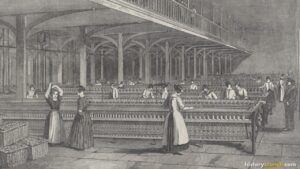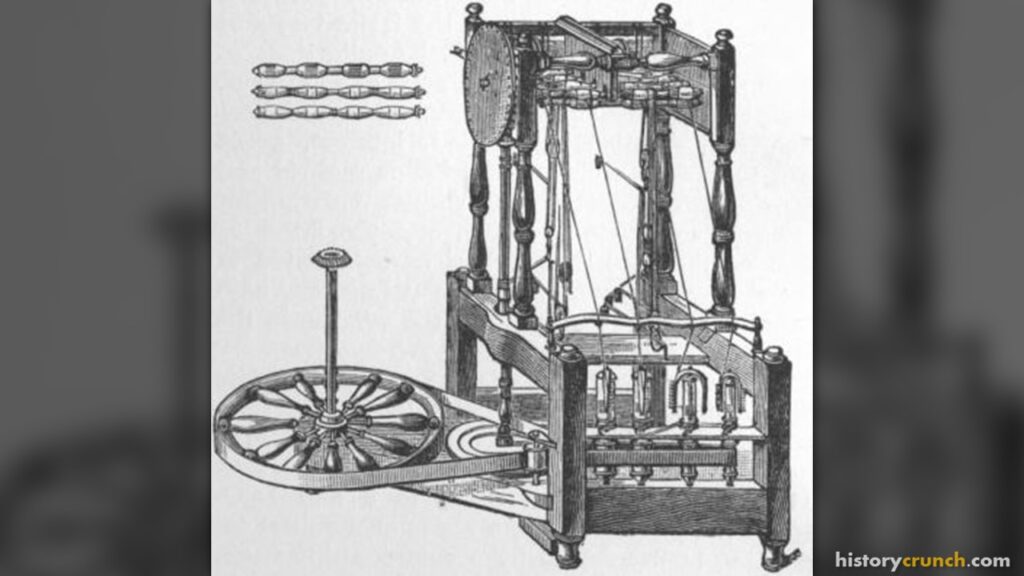
The water frame, invented by Richard Arkwright in 1769, revolutionized textile manufacturing during the Industrial Revolution by harnessing water power to spin cotton fibers into strong, consistent threads. This innovation significantly increased production capacity and efficiency compared to earlier manual methods, leading to the establishment of large-scale factories. Arkwright’s water frame paved the way for the mass production of textiles, contributing to the rapid growth of the industry and the wider economy. Additionally, it played a crucial role in the shift from manual labor to mechanizedReplaced human hand labor with machine-driven processes to do a job faster and more consistently. production, marking a key milestone in the Industrial Revolution.
 FactsthatCrunch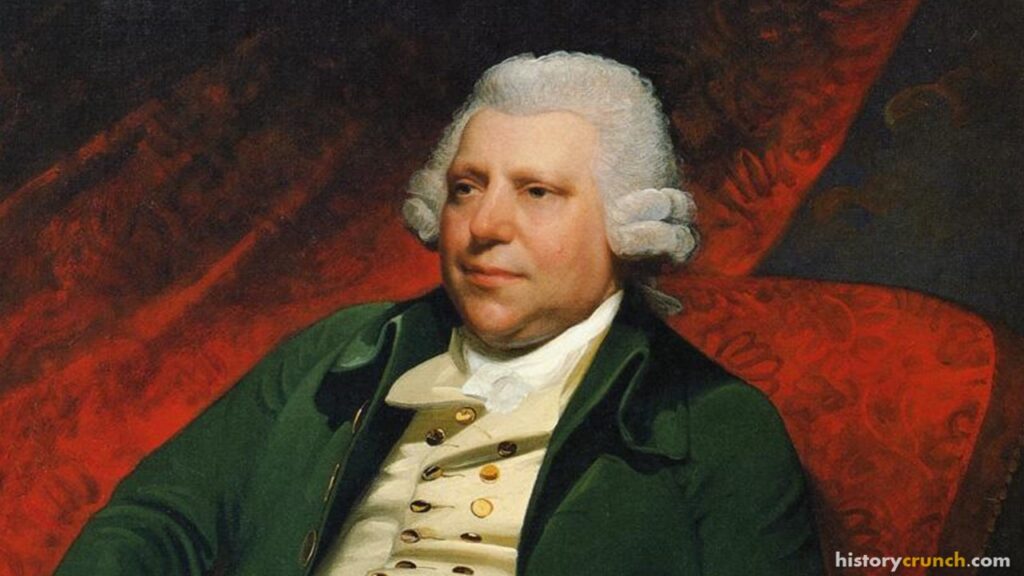
Innovations in the Industrial Revolution
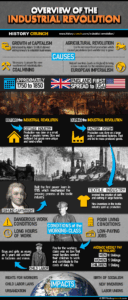
The Industrial Revolution is one of the most significant events in all of world history and had a profound impact on the modern world. It began first in Britain in the 1700s but soon expanded to the rest of Europe and North America. Before the innovations of the Industrial Revolution, most production depended on water, wind or human energy. The businesses that existed at this time were called cottage industriesHome-based businesses that produce small amounts of goods, common before large factories existed.. Cottage industries were an early stage of economic development in society in which workers produce a limited amount of goods in home-based businesses. However, by the mid-1700s, new methods of production were being developed across Europe, especially in Great Britain. This transition led to the factory system, which was the creation of factories in centralized locations such as industrial towns and cities. This period of innovation continued throughout the 19th century and led to many new inventions by now famous inventors. In fact, one of the key features of the Industrial Revolution is the development of new inventions that led to more automationUsing machines to do work that people used to do by hand, with little human effort needed. by machines. Significant inventions or innovations of the Industrial Revolution included: flying shuttle, spinning jenny, power loom, water frame, cotton gin, steam engine, telephone, light bulb, automobile, assembly line production and interchangeable parts.
 FactsthatCrunch
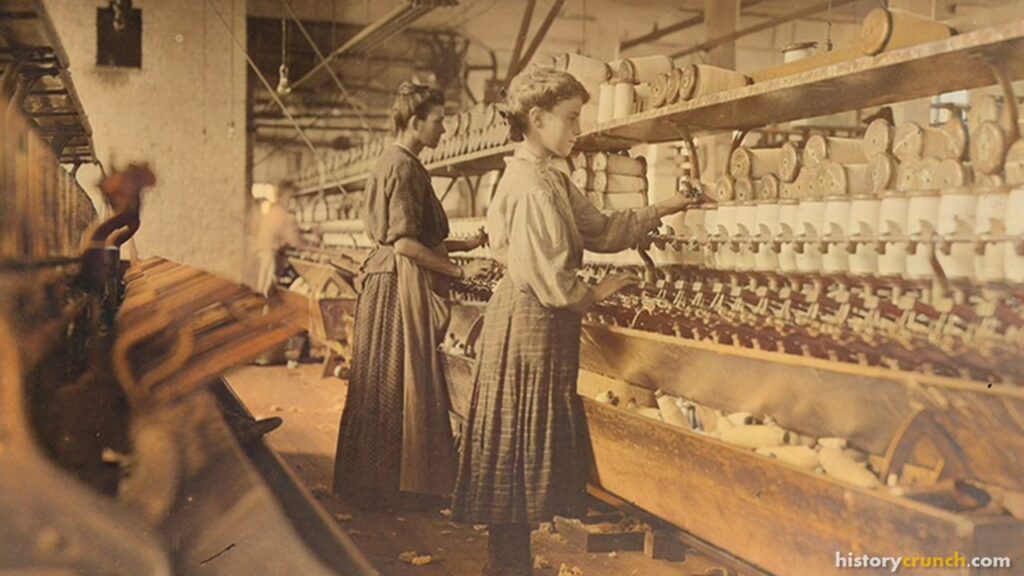
Richard Arkwright's first spinning mill, opened in Nottingham in 1769, was powered by horses. The machine earned the name water frame after he moved to Cromford, Derbyshire, in 1771 and ran it on flowing water.
Before the water frame, most spinning was done by hand in people's homes, a setup known as cottage industry. Arkwright's machine changed that by anchoring factories to riverbanks, meaning the location of moving water, more than the location of workers or markets, decided where the first large factories were built. This made geography itself a key force in shaping where industrial towns grew during the Industrial Revolution.
Invention of the Water Frame by Richard Arkwright
A significant invention of the Industrial Revolution was the water frame, which was invented by Richard Arkwright in 1769. Richard Arkwright was an English inventor and is remembered today for inventing the water frame, which was important to the textile industry in England. The textile industry was based on the development of cloth and clothing in factories.
As stated above, Richard Arkwright developed a spinning machine, called a water frame, which could produce strong yarnTwisted fiber, spun from cotton, used to make cloth and clothing in textile factories.. The machine replaced the need for manual labor and enabled the production of inexpensive spun cotton by using the moving force of a creek or river that spun a shaft. The machine was important at the time because cotton was used for clothing and other everyday items. At first, the machine was referred to as a ‘spinning frameThe original name for Arkwright’s machine before it became known by the name water frame.’ but in later years, it was known as a water frame. In fact, the water frame was a major advancement over previous types of machinery including James Hargreaves’ spinning jenny. This was because the water frame essentially mechanized all of the process of spinning the yarn and required very little human labor. Arkwright’s design proved significant to the textile industry in England and was replicated all over the country. As the Industrial Revolution progressed, Arkwright’s water frame was used in a countless number of factories and made him an incredibly wealthy man.
FactsthatCrunchWhat did the moving water in Arkwright's water frame directly turn to power the spinning process?
Industrial Revolution timeline · 1760 – 1840
Key Vocabulary
Cottage industries
Factory system
Automation
Spinning frame
Mechanized
Yarn
Frequently Asked Questions
Who invented the water frame?
Richard Arkwright invented the water frame in 1769. He was an English inventor who is best remembered for this machine. The water frame made him very wealthy as it spread to factories across England.
How did the water frame work?
The water frame used the moving force of a creek or river to spin a shaft that powered the machine. This water power turned raw cotton fibers into strong, even threads. Because it relied on flowing water, it needed very little human labor to run.
Why was the water frame important to the Industrial Revolution?
The water frame greatly increased how much cotton thread could be made and how quickly. It helped move production out of homes and into large factories in towns and cities. This shift toward machines and factories was a key part of the Industrial Revolution.
How was the water frame different from the spinning jenny?
The water frame was a major step forward from James Hargreaves’ spinning jenny. It mechanized almost the whole spinning process and needed very little human effort. The water frame also produced a stronger yarn than earlier machines could make.
Why was the water frame first called a spinning frame?
The machine was first known as a spinning frame because of the job it did. It later gained the name water frame after the water power that ran it. The new name pointed to the creeks and rivers that made the machine turn.
Cite This Article
To cite this article as a source, use one of the formats below.
MLA: Beck, Elias. “Water Frame Invention in the Industrial Revolution: A Detailed Summary.” HistoryCrunch, 25 September 2026, https://historycrunch.com/water-frame-invention-in-the-industrial-revolution/.
APA: Beck, E. (2026). Water Frame Invention in the Industrial Revolution: A Detailed Summary. HistoryCrunch. https://historycrunch.com/water-frame-invention-in-the-industrial-revolution/
Chicago: Beck, Elias. “Water Frame Invention in the Industrial Revolution: A Detailed Summary.” HistoryCrunch. September 25, 2026. https://historycrunch.com/water-frame-invention-in-the-industrial-revolution/
Sources
- Emma Griffin, A Short History of the British Industrial Revolution.
- Robert C. Allen, The Industrial Revolution: A Very Short Introduction.
- Joel Mokyr, The Enlightened Economy.
- Fordham Modern History Sourcebook